


What Makes a Wooden Bench Last 25+ Years Outdoors?
Posted on January 14, 2026
When choosing an outdoor bench, most people assume the difference between one that lasts five years and one that lasts decades comes down to luck or maintenance.
In reality, longevity is designed in from the very beginning.
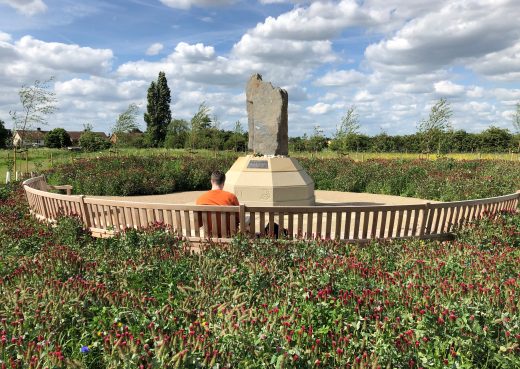
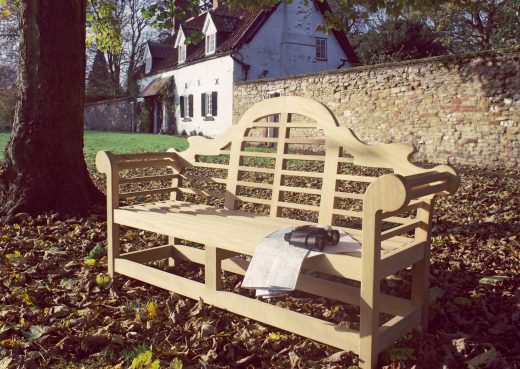
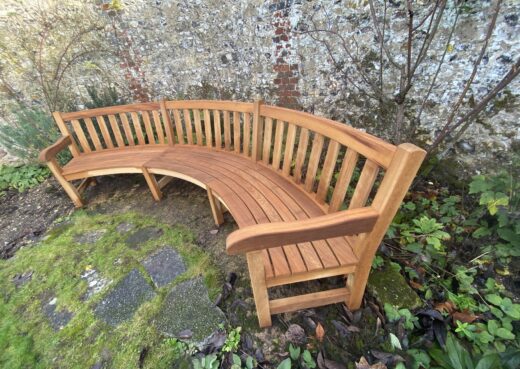
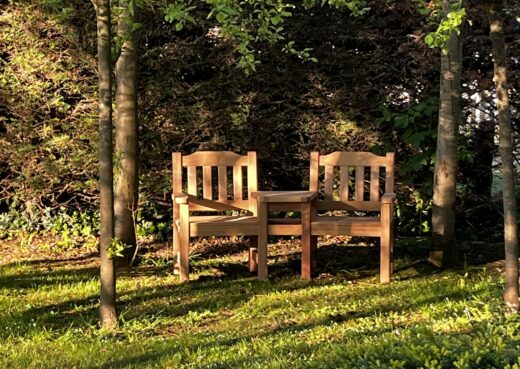
At Woodcraft UK, we’re often asked how our benches continue to perform year after year in exposed gardens, churchyards, parks, and public spaces. The answer isn’t one single thing — it’s a combination of materials, construction methods, and small design decisions that add up over time.
Timber choice matters more than anything
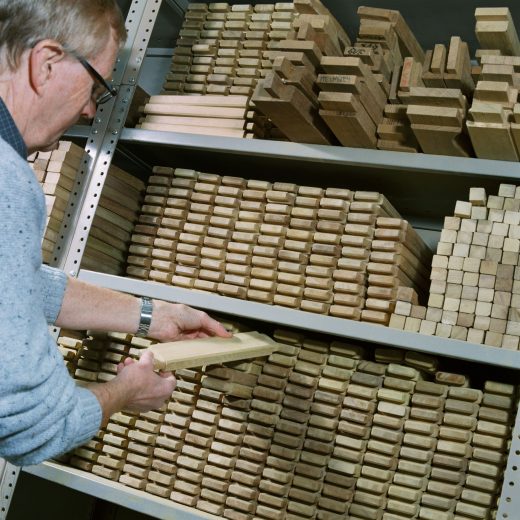
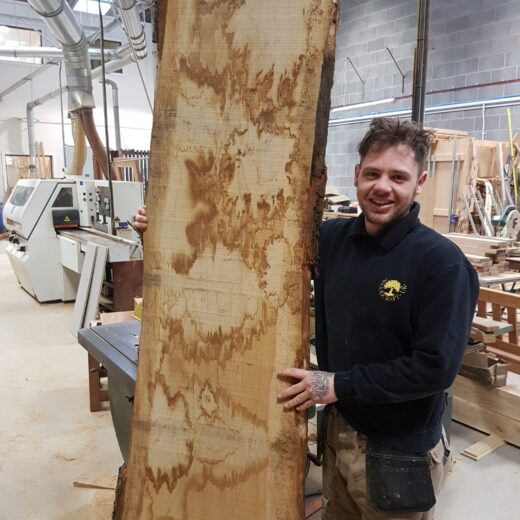
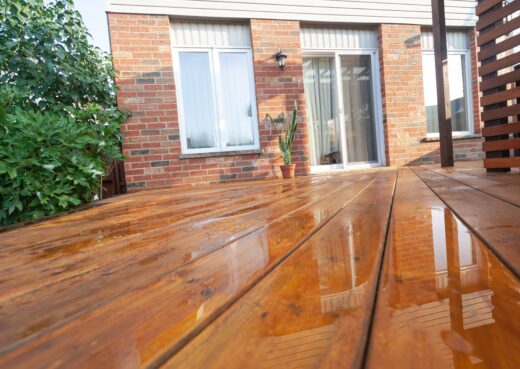
Outdoor furniture lives a hard life. Rain, frost, UV exposure, moss, and temperature changes all take their toll. That’s why we work primarily with durable hardwoods chosen specifically for external use.
Hardwoods cope better with moisture movement, resist decay far longer than softwoods, and maintain their structural integrity even as they weather naturally.
Proper joinery beats quick fixes
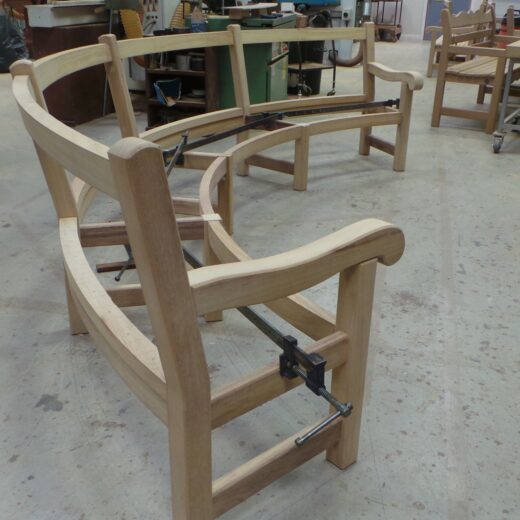
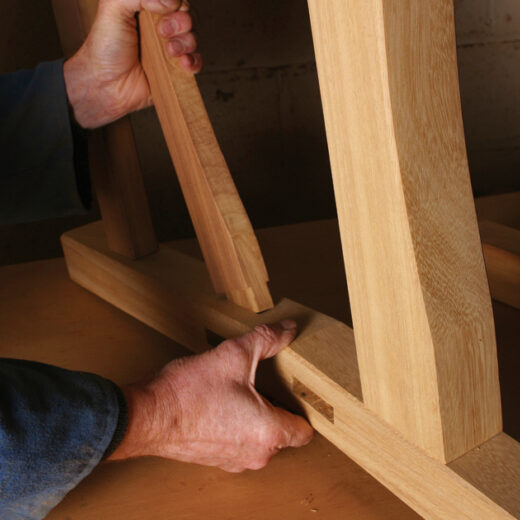
A bench is only as strong as its joints. Many mass-produced benches rely heavily on screws alone, which loosen over time as timber expands and contracts.
Our benches use traditional joinery methods designed to move with the wood rather than fight it. This keeps frames rigid, seats level, and legs solid — even after years outdoors.
Fixings and adhesives are chosen for the long term
External-grade fixings and specialist adhesives may not be visible once a bench is assembled, but they play a crucial role in longevity. Using the wrong materials can introduce rust, staining, or premature failure.
Every fixing we use is selected with outdoor exposure firmly in mind.
Design that sheds water, not traps it
Water is the enemy of outdoor furniture — particularly where it’s allowed to sit. Bench profiles, seat spacing, and leg details are all designed to encourage water run-off and avoid places where moisture and debris can collect.
These small details dramatically reduce rot over time.
Finishes that protect without false promises
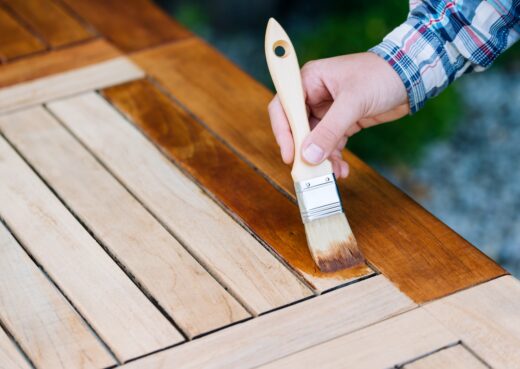
No outdoor bench is truly “maintenance free,” and we don’t pretend otherwise. Instead, our finishing approach focuses on protection, breathability, and realistic expectations.
Left alone, hardwood benches weather gracefully. With occasional care, they can look good for decades.
Buying once vs replacing repeatedly
A well-made bench shouldn’t be something you think about every few years. It should quietly do its job — providing a place to sit, reflect, or gather — without becoming a maintenance headache.
Longevity isn’t accidental. It’s built in.