


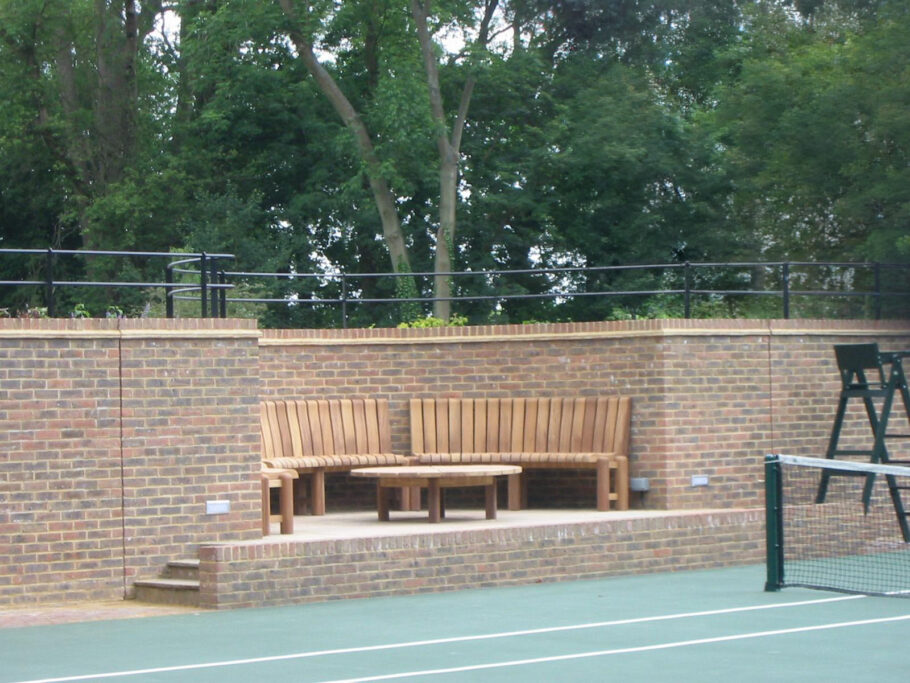
Shaping the Landscape: Curved Seating for Public Spaces
Posted on October 13, 2026
The best public spaces rarely happen by accident.
Whether it's a new housing development, an urban regeneration scheme, a landscaped park or the redesign of a town-centre space, every element contributes to how people experience their surroundings.
Seating may be only one part of that picture, but its shape, position and relationship with the landscape can make a surprising difference.
And sometimes, a straight bench simply isn't the answer.
Click on the pictures to enlarge
Seating that follows the landscape
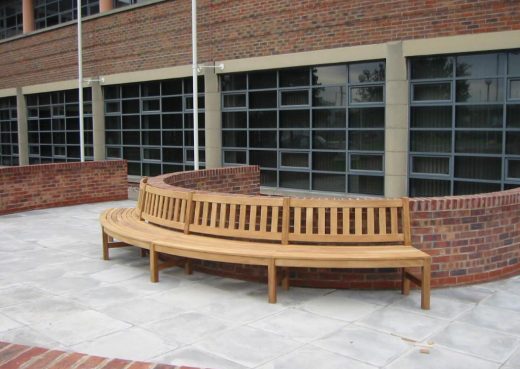
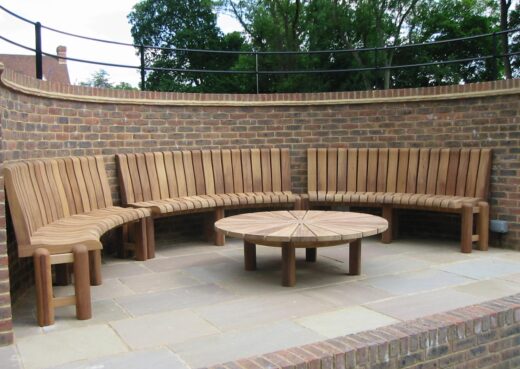
Curved seating gives landscape designers considerably more freedom to work with the shapes already present within a scheme.
A bench can follow the sweep of a pathway, sit alongside a curved planting bed, define the edge of a paved area or respond to the lines of surrounding architecture.
Rather than appearing as an object that has simply been placed into the landscape, the seating can become part of the landscape itself.
This can be particularly effective within contemporary public-realm projects, where paving, planting, lighting, street furniture and pedestrian routes are often considered together as part of one overall design.
Click on the pictures to enlarge
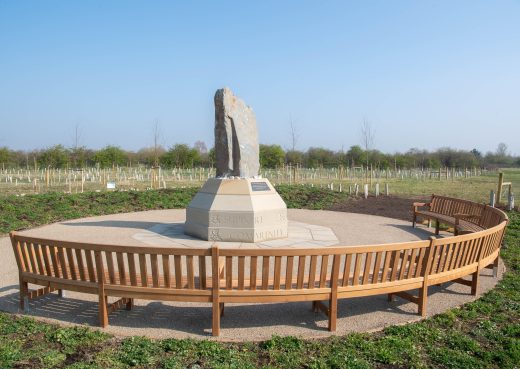
Creating places rather than simply providing seats
Public seating has an obvious practical purpose, but it can do much more than provide somewhere to rest.
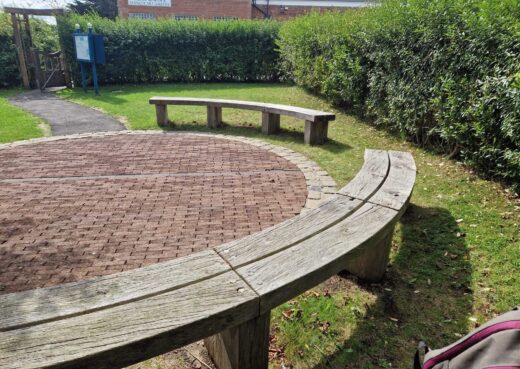
The way seating is arranged can help create a destination within a larger space.
A sweeping curve can turn an otherwise empty area into a natural meeting point. Several curved sections can create an informal circle or semicircle. Seating arranged around planting or a mature tree can transform an existing landscape feature into the focus of a space.
Curves can also change the relationship between the people using the seating.
On a traditional straight bench, people generally sit alongside one another looking in the same direction. On curved seating, they begin to face one another, creating a more sociable arrangement that lends itself naturally to conversation and gathering.
For parks, schools, housing developments, community spaces and town centres, that can be an important consideration.
Click on the pictures to enlarge
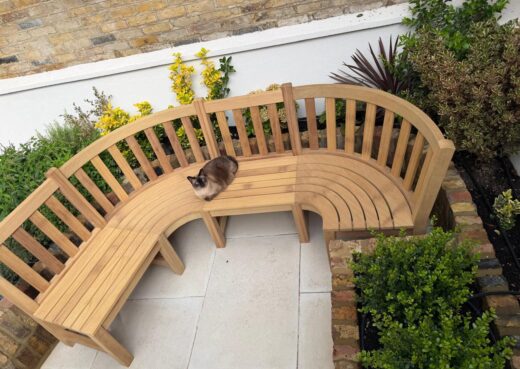
Working around what's already there
Landscape projects frequently have to work with existing features rather than starting with an entirely blank canvas.
Mature trees are an obvious example.
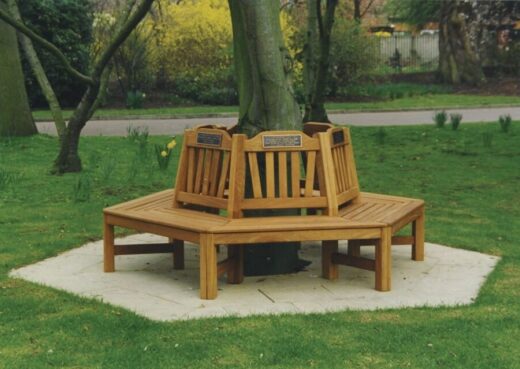
Rather than removing or avoiding them, curved or circular seating can make them an integral part of a new public space. The tree provides an established focal point — and often some welcome shade — while the seating gives people a reason to stop and enjoy it.
The same principle can apply to existing planting, walls, pathways, monuments and architectural features.
Bespoke seating can be designed around the space rather than requiring the space to be redesigned around a standard bench.
Click on the pictures to enlarge
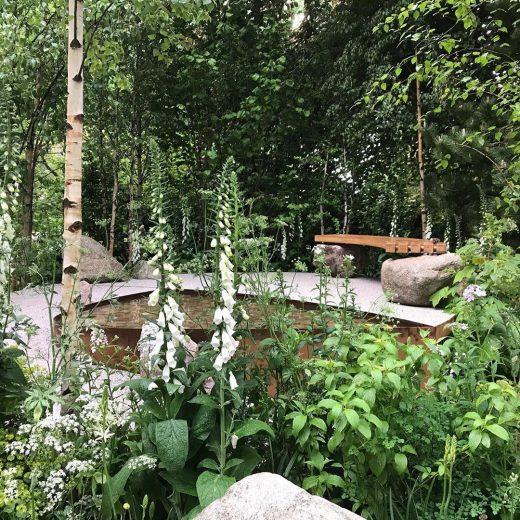
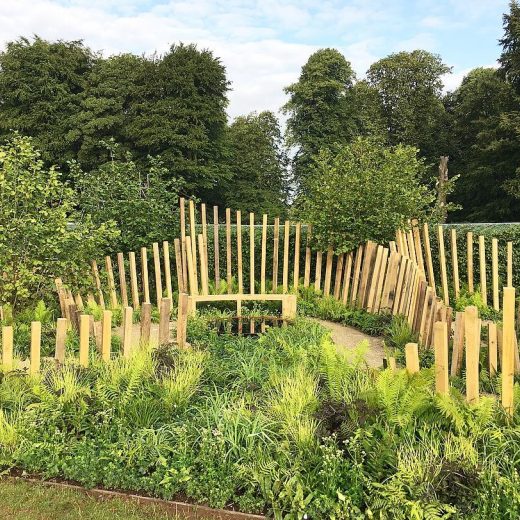
Softening the urban landscape
Curves can also provide a useful visual contrast within urban environments.
Buildings, paving, roads and other elements of the built environment inevitably introduce plenty of straight lines and hard surfaces. Timber brings natural colour and texture into these surroundings, while curved forms can soften their geometry further.
Combine curved wooden seating with trees, grasses and other planting and it can help create a much warmer and more inviting environment.
This is particularly relevant as landscape design becomes an increasingly important part of new residential developments and urban regeneration projects.
The spaces between buildings matter too.
Click on the pictures to enlarge
Designed for the project
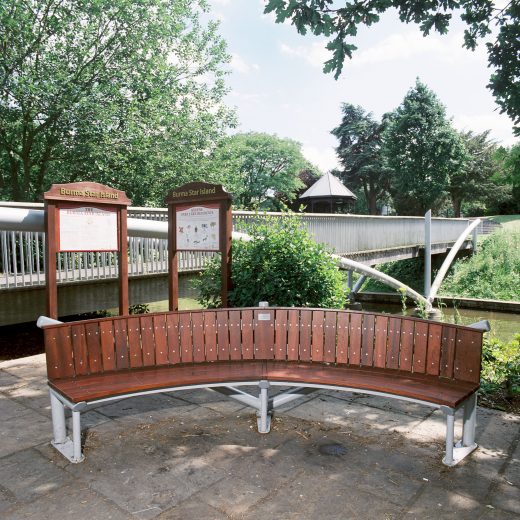
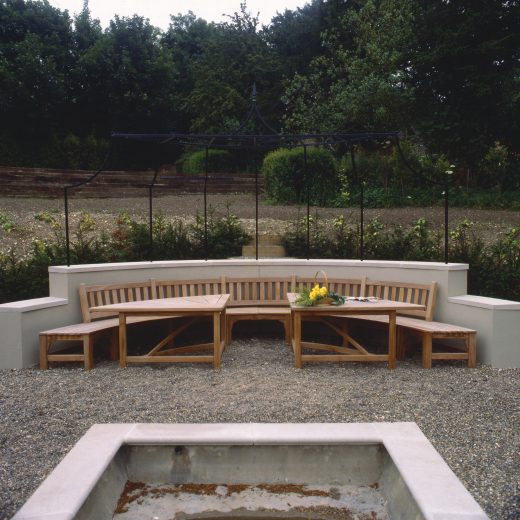
There isn't necessarily a standard radius, length or configuration that will work for every landscape.
That's why curved seating lends itself particularly well to bespoke manufacture.
Individual sections can be designed to follow a particular radius or combined to create larger arrangements. Dimensions can be adapted to the site and the seating considered alongside planting, pathways and other street furniture.
At Woodcraft, we've produced curved wooden seating for a wide variety of landscapes and public spaces, alongside benches, planters, litter bins, bollards, noticeboards and other pieces of timber street furniture.
For landscape architects, developers and organisations planning a new public space, we're always happy to discuss the possibilities.
Because good street furniture shouldn't simply fill a space.
It can help shape it.


